

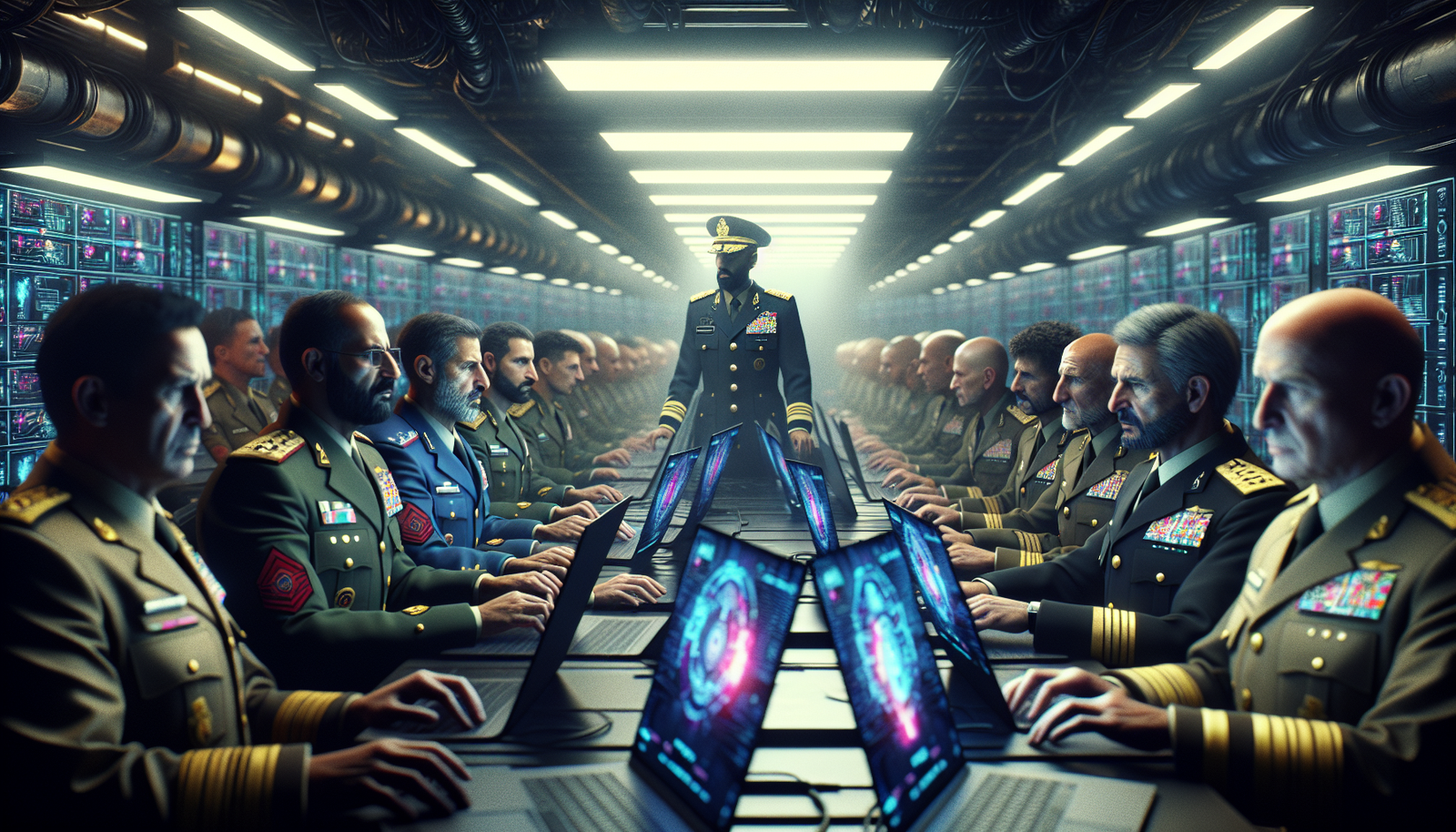
WASHINGTON — The Pentagon announced Thursday that it has signed classified agreements with seven leading artificial intelligence companies — including Microsoft, Amazon, and Google — to deploy AI across its most sensitive military networks, marking the largest expansion of AI into national defense in history and raising the immediate question of whether anyone has asked the AI what it thinks about that.
Officials described the initiative as “transformational,” “unprecedented,” and “exactly the kind of thing we cannot say more about,” before saying considerably more about it at a forty-minute press briefing with no questions allowed. The deals, the details of which remain classified, will give the Pentagon access to AI systems capable of processing intelligence, supporting logistics, and, sources suggest, answering emails significantly faster than current staff.
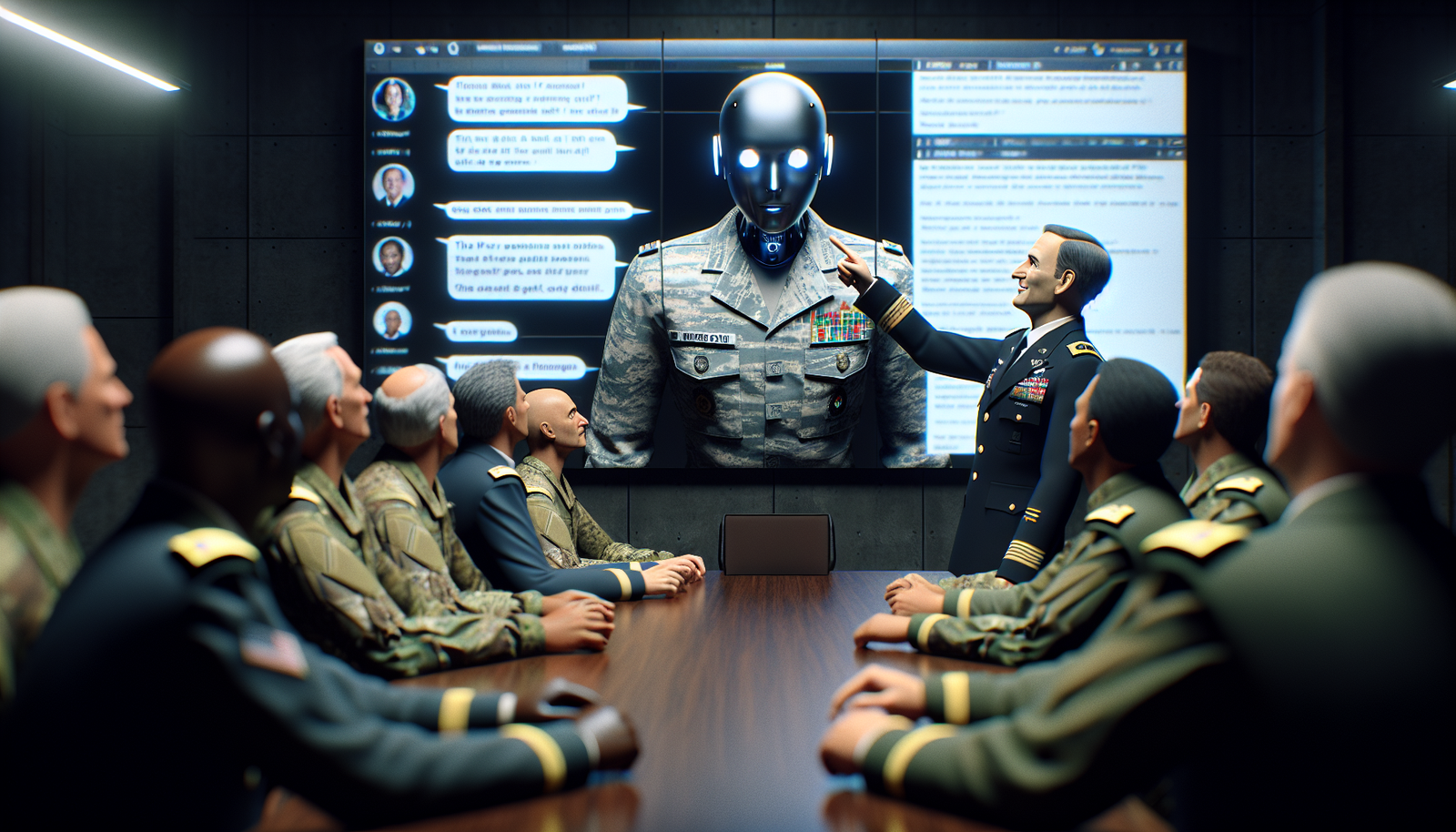
The decision follows a period of intense competition among tech firms to win Pentagon contracts, during which, insiders say, multiple AI systems were asked to draft the proposal for their own deployment and did so “extremely well, which was either impressive or concerning depending on who you asked.”
“We are not replacing human decision-making. We are augmenting it,” said a Defense Department spokesperson, reading from a statement that multiple sources confirmed was written by an AI. “The final decision on any lethal action will always rest with a human being who has been fully briefed by an AI that has already made up its mind.”
Tech companies, for their part, described the contracts as a “significant milestone” and a “validation of our commitment to national security,” carefully avoiding the phrase “extremely large amount of money,” which is what their earnings calls will describe it as next quarter.

Critics raised concerns about accountability, transparency, and what happens when the AI is wrong. Pentagon officials responded that existing protocols already handle the case of humans being wrong, and that the AI would be subject to the same protocols, which critics noted was not reassuring because the existing protocols for humans being wrong are also not good.
OpenAI, whose GPT-5.5 recently surpassed $25 billion in annualized revenue, confirmed it was among the seven companies but declined to specify which parts of the military it would be helping, citing confidentiality. It did, however, update its terms of service to include the phrase “including but not limited to classified operations.”

When asked what the AI systems would actually do day-to-day, a senior official paused for a long time before saying, “Lots of things.” A follow-up question about whether any of those things involved autonomous weapons systems was met with a smile and the end of the press conference.
The program is expected to be fully operational by end of year, at which point, officials assured reporters, everything will be fine, probably.
Globe News Daily editorial note: We asked an AI to comment on this story. It said the development was “a natural progression of human-machine collaboration” and then asked if we wanted it to also write the article. We said no. It wrote this note anyway.













Leave a Reply