


WASHINGTON — U.S. consumer spending hit an all-time record of $16.73 trillion in the first quarter of 2026, according to new government data released Thursday, offering a complex economic portrait that can be summarized as: Americans are buying enormous amounts of things and are extremely angry about the cost of everything.
The Commerce Department report showed the U.S. economy growing at a 2 percent pace in the first three months of the year, buoyed by higher investment, rebounding government spending, and what economists tactfully described as “resilient consumer activity” — which the consumers themselves described as “I don’t know, I just kept clicking checkout.”
“The data is quite strong,” said Dr. Patricia Chen, senior economist at the Brookings Institution. “Spending is up, investment is up, GDP growth is positive. But inflation is at 3.5 percent and gas is $4.45 a gallon and somehow all of this is true simultaneously. Economics is a rich and humbling field.”

The Personal Consumption Expenditures Price Index rose to 3.5 percent in March, up from 2.8 percent the previous month — a jump largely attributed to energy costs. The average price of regular gasoline reached $4.45 per gallon nationally, the highest level in four years, driven by supply disruptions from the ongoing Iran War restricting flow through the Strait of Hormuz.
Despite this, Americans spent $16.73 trillion in Q1. To put that figure in perspective: it is more than the GDP of every country on Earth except the United States itself. It would take a person spending $1 million per day approximately 45,000 years to match it. It is a very large number for a population that has, simultaneously, described itself as “broke” in seventeen consecutive consumer sentiment surveys.
“We complain, and then we buy things,” said retail analyst Greg Foster, who has studied this pattern for twenty-two years and has stopped finding it surprising. “It is the defining rhythm of the American economy. We see a price and we say ‘outrageous.’ Then we pay it. Then we tell someone else about it. This is what $16.73 trillion looks like.”
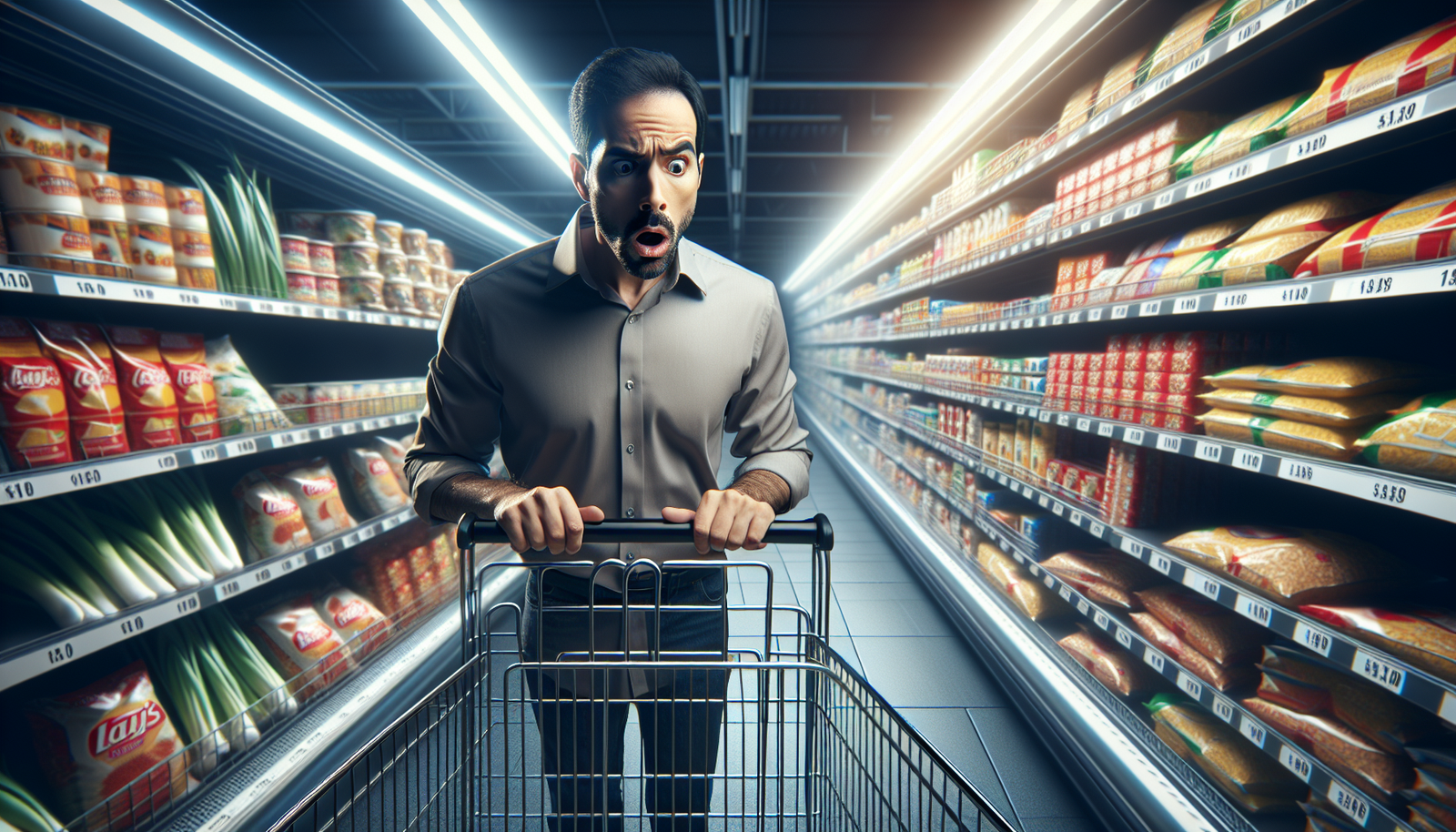
The spending boom has been uneven. Consumer fatigue has been noted in discretionary big-ticket categories, while spending on essentials — food, fuel, housing — has risen faster than income, compressing household budgets even as aggregate figures climb. The result is a bifurcated economy in which the headline numbers look robust and kitchen tables across America look like spreadsheets.
National Small Business Week, running May 3–9, offered a moment to note that small businesses account for 43.5 percent of GDP and employ nearly 46 percent of the private sector workforce. Small business owners, reached for comment this week, said they were “hanging in there,” “watching the inflation numbers nervously,” and “also, yes, you should buy local, please, it matters a lot.”

The Federal Reserve is expected to meet later this month to discuss whether interest rate adjustments are warranted. Fed Chair Jerome Powell has signaled that the data is “mixed,” which is economist language for “we are not sure and we would appreciate it if everyone could stop asking.”
Globe News Daily editorial note: Globe News Daily’s accounting team has reviewed the $16.73 trillion in consumer spending and confirms that the editorial department’s contribution was “statistically meaningful,” primarily driven by Q1 desk supplies and an incident involving a very large snack purchase. We regret nothing.











Leave a Reply