

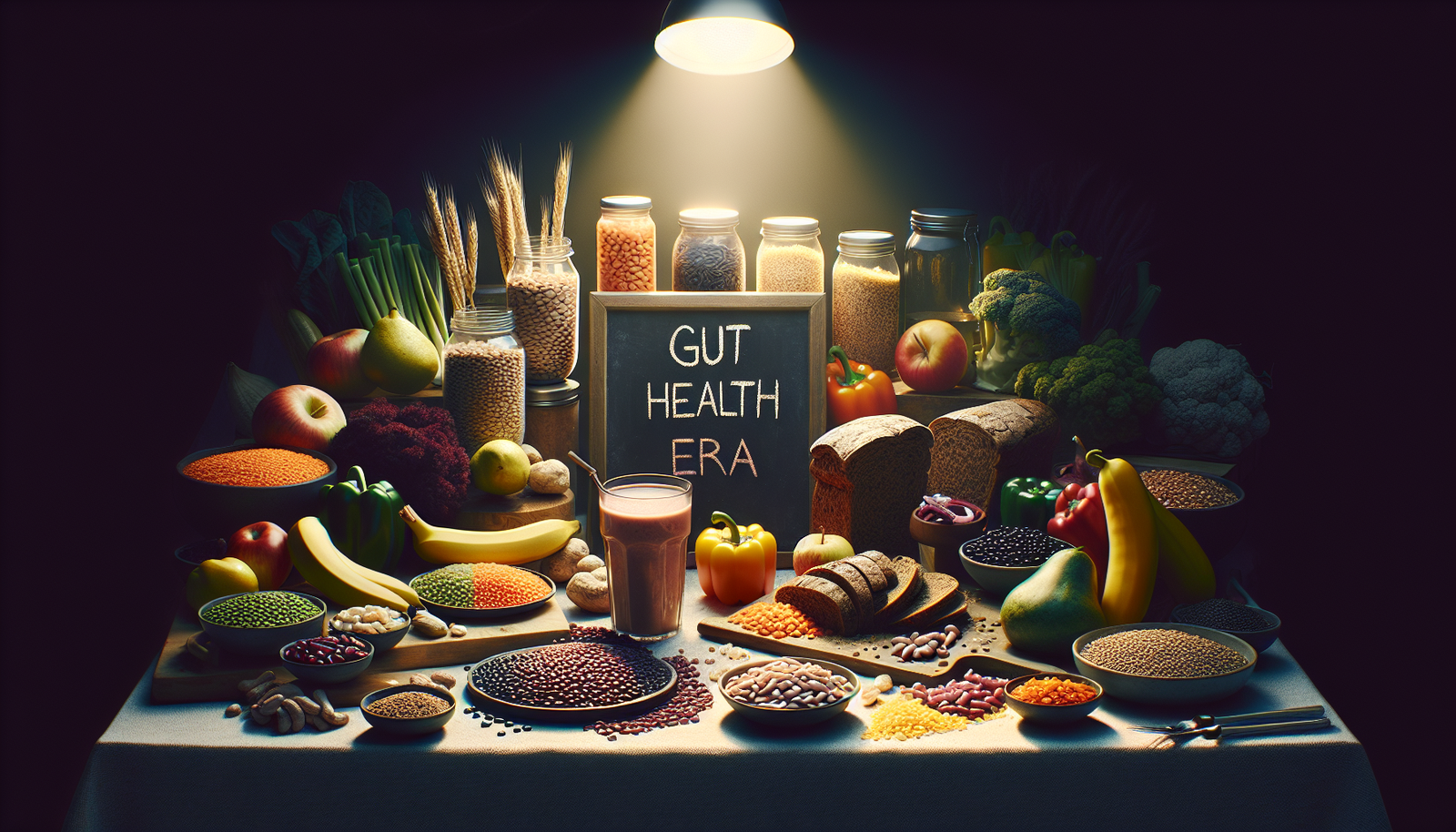
AUSTIN, TX — America has a new wellness trend, and experts say it is not only real but also almost certainly going to peak around June, when the influencer who coined the term launches a $49 fiber powder, the whole thing gets a Vox explainer, and your mother texts you an article about it from a source you’ve never heard of.
The trend is called “fibermaxxing” — the practice of maximizing fiber intake across every meal, snack, beverage, and waking moment of one’s day — and it has taken over social media feeds previously dominated by collagen coffees, raw milk discourse, and the brief but deeply confusing “eating rocks for minerals” phase of early 2025.
“Fibermaxxing is about listening to your gut,” said Tyler Okonkwo, a 28-year-old fitness content creator who has been fibermaxxing for eleven days and describes the experience as “transformative,” “honestly a lot,” and “something my roommate and I need to discuss.” “I’m eating lentils for breakfast. I’m adding psyllium husk to my smoothies. My colon is thriving. My social life has become somewhat specialized.”
The trend is part of a broader explosion in gut health awareness, a sector researchers confirm is now worth $60 billion globally and on track to exceed $114 billion within seven years — a figure that will be cited approvingly in a TED Talk by someone who sells a supplement, probably in October.
Registered dietitians note that fiber is, in fact, genuinely good for you — a statement so scientifically uncontroversial it somehow sounds radical in the current health media landscape, where declaring something beneficial requires a 45-minute podcast episode, a celebrity endorsement, and a disclaimer from a legal team that has clearly been through something.
“Fiber has been good for you since before the internet,” confirmed Dr. Sylvia Hartman, a gastroenterologist who has had a statistically excellent April. “Eat your vegetables. Eat some beans. You don’t need a brand around it. But you’re going to put a brand around it, and that’s fine. That’s America. That’s how we process scientific consensus.”
The fibermaxxing movement arrives amid the continued dominance of GLP-1 weight loss medications, which have reshaped American eating habits and increased demand for nutrient-dense foods. This has produced a curious national situation in which some Americans are eating significantly less but thinking far more intensely about what they eat — an outcome essentially identical to completing a philosophy degree, but with better bloodwork and fewer student loans.
The clean-eating movement has overtaken anti-inflammatory and plant-based diets to become the number one nutrition trend of 2026, while intermittent fasting has dropped out of the rankings entirely, presumably because it lacked an “-ing” suffix available for a catchy social media rebrand.
As of publication, the gut health industry was booming, fiber was having a moment, and gastroenterologists were declining all interview requests due to being fully booked through September.
Globe News Daily is not fibermaxxing but did eat a salad on Wednesday and feels strongly that this should count for something, medically speaking.










Leave a Reply