

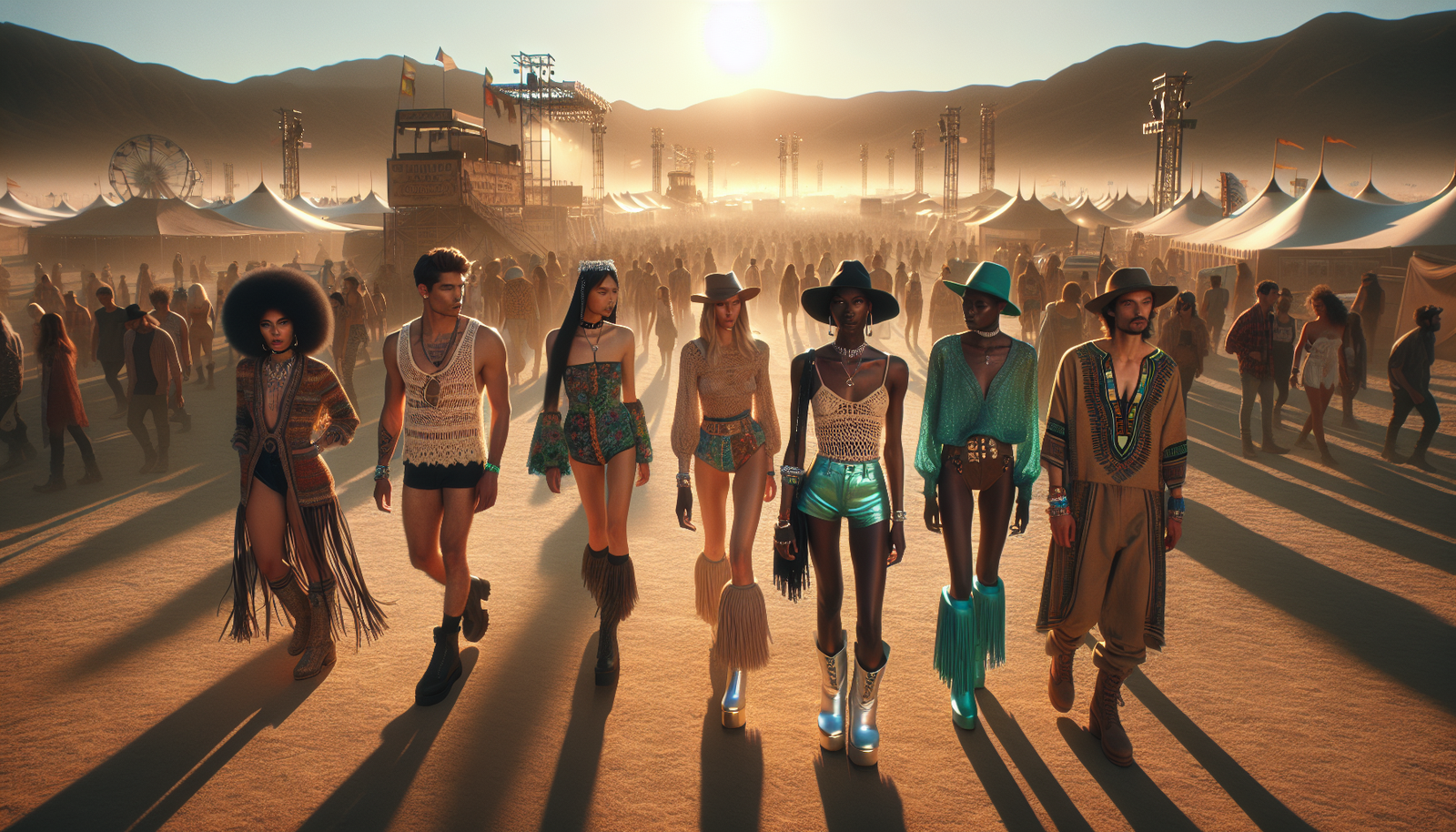
INDIO, CA — Fashion reporters emerged from the 2026 Coachella Valley Music and Arts Festival this week carrying three days of sunburn, two terabytes of photographs, and one unified professional conclusion: the human body requires significantly less fabric coverage than previously assumed, and what coverage it does require should, wherever possible, be crocheted.
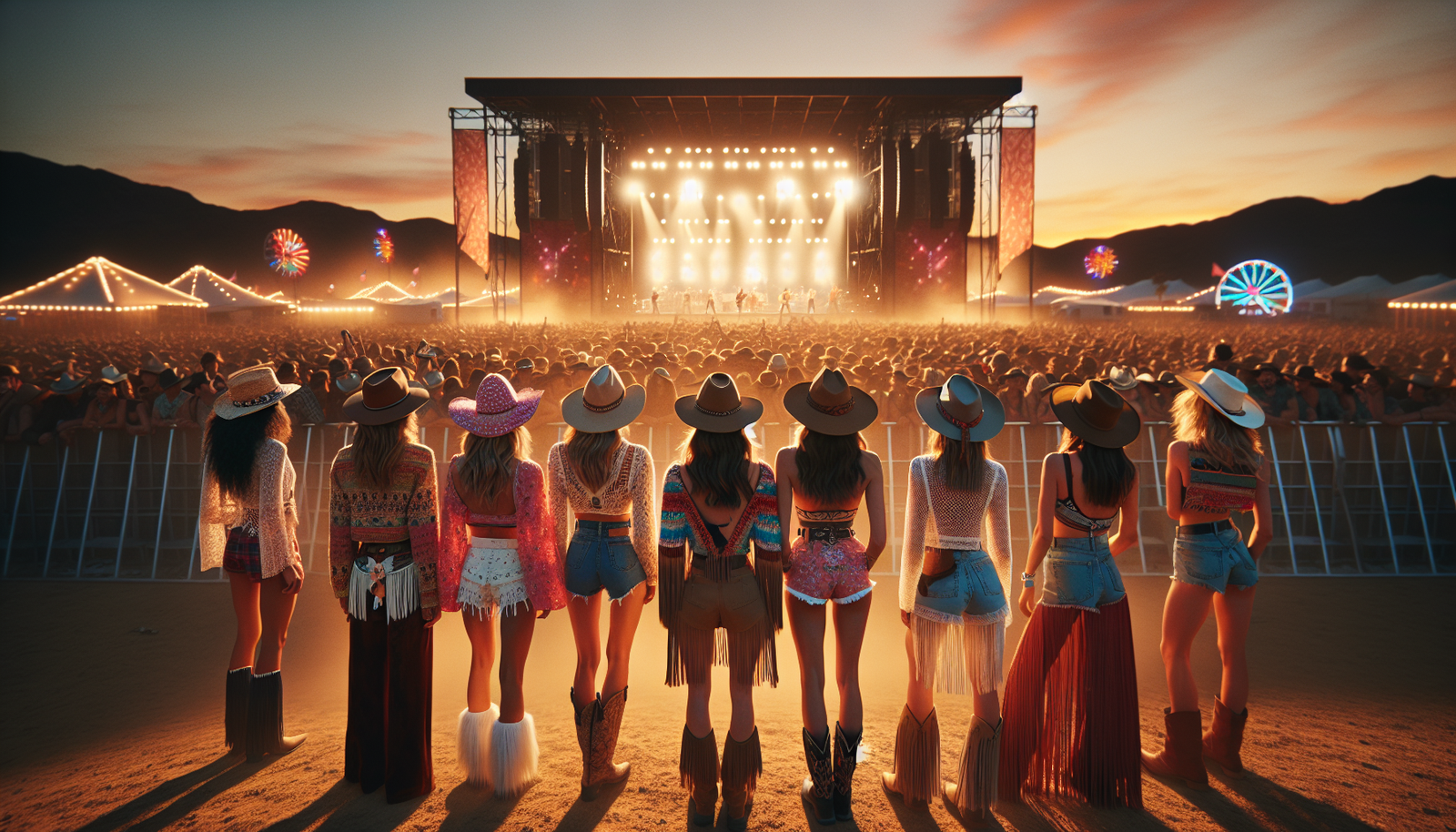
The dominant aesthetic of Coachella 2026, which fashion experts are calling “desert-bohemian maximalism” and everyone else is calling “very confident choices for eleven in the morning,” centered on micro shorts in stretch fabric, sheer and lace tops, crochet everything, baggy Bermuda jorts paired with barely-there tops, and fringe that appeared to be in motion even when the wearer was standing completely still.
“This year, Coachella was a masterclass in intentional minimalism,” said fashion correspondent Brooke Ellison, gesturing at a photograph of an outfit composed of three strategically placed triangles and a crocheted bucket hat. “People aren’t wearing less — they’re wearing precisely the right amount. The amount happens to be very small. But the intention is enormous.”
The crochet trend — which involves garments that appear to have been lovingly handmade by a grandmother who had very different life goals than the person currently wearing them at a desert music festival — dominated across tops, ponchos, skirts, and headwear. Analysts say crochet’s appeal lies in its “handcrafted authenticity,” though most of the pieces retailed between $280 and $420 and were manufactured in facilities that are not, by any definition, a grandmother’s living room.
Color-wise, Coachella leaned heavily into WGSN’s official 2026 Color of the Year: Transformative Teal, described by the trend forecasting agency as a hue that sits “between dark blue and aquamarine-green” and “balances depth and freshness” — a description that applies to approximately 40% of all visible colors and suggests the selection process involved standing in front of a very large paint chip wall for longer than was strictly necessary.
“Teal is the color of change,” said one festival attendee in a teal crocheted crop top, micro shorts, and platform boots that appeared to have been designed by an architect rather than a cobbler. “It’s the color of possibility. Of a 2026 that doesn’t know what it is yet.” She then walked into the crowd, where everyone was also wearing teal, and became immediately impossible to locate.
Meanwhile, mainstream fashion houses including Loewe and Fendi are championing the return of the oversized ’90s windbreaker for Spring/Summer 2026 — a trend that will filter down to mass retail by autumn, at which point everyone will own one, no one will admit where they got it, and it will subsequently appear on a list of things that were “actually kind of cool before they were everywhere.”
Stella McCartney and Tom Ford rounded out the cultural moment with lingerie-inspired runway designs, confirming that the fashion industry’s long-considered answer to “what should people wear?” continues to be “less, but elevated, and at a price point that requires a conversation with your bank.”
Globe News Daily attended Coachella in spirit only and from a safe distance, wearing sensible trousers, applying sunscreen on schedule, and not paying $22 for a bottle of water.









Leave a Reply