


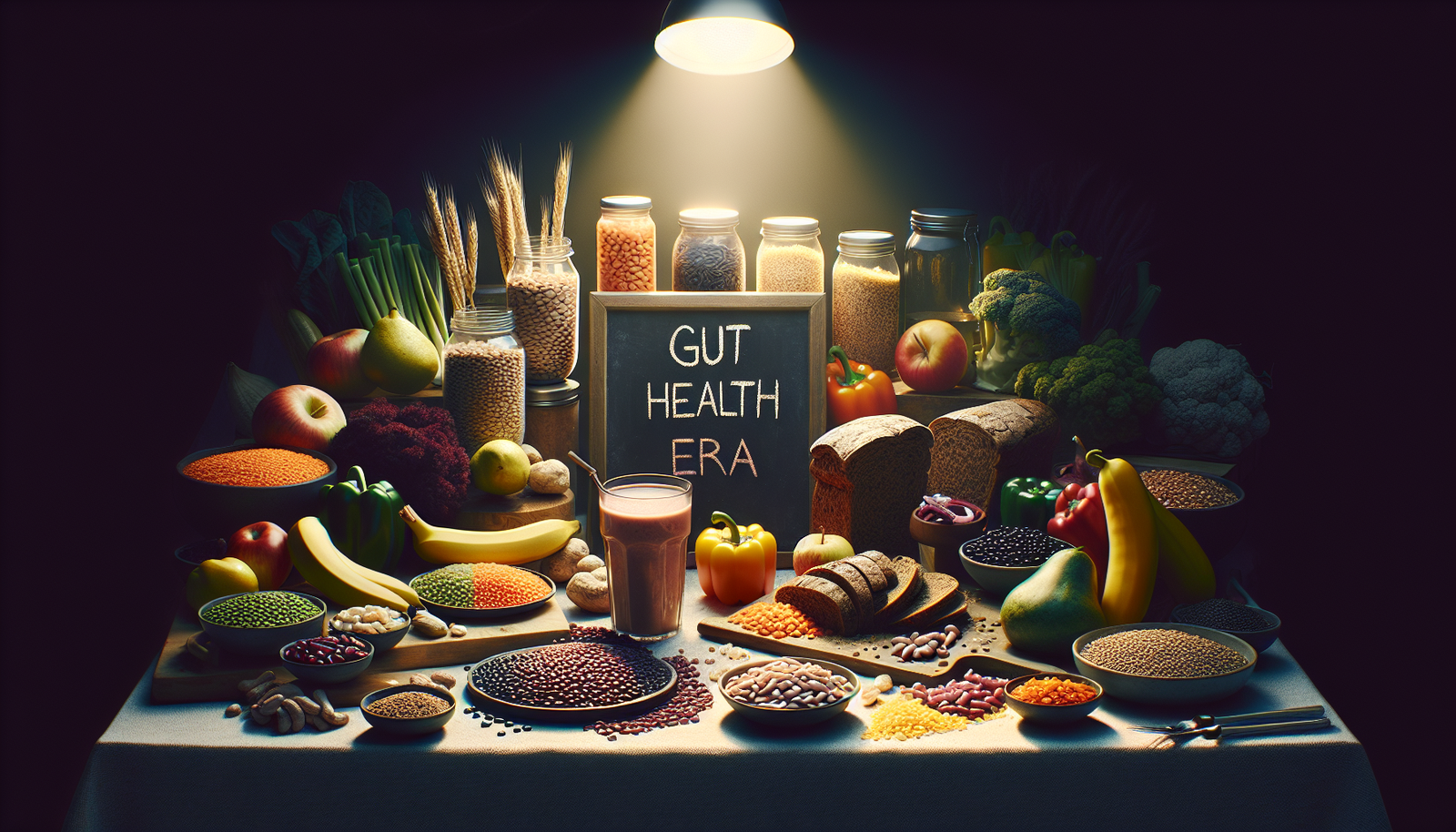
AMERICA — The nation’s nutritional obsession has officially pivoted. After years of protein-centric dominance — a reign characterized by collagen powders, thirty-gram shakes, and chicken breast smuggled into dinner parties — health experts are now declaring fiber the dietary priority of 2026, in a shift that the protein industry is describing as “a complete betrayal” and the gut health community is describing as “about time, we’ve been saying this for years.”
The trend, which social media users have branded “fibermaxxing” with the same energy previously devoted to “proteinmaxxing,” “sleepmaxxing,” and every other concept that sounds like a lifestyle but is mostly just eating slightly differently, has taken the wellness world by storm. Registered dietitians, who have been recommending fiber since approximately the invention of dietary guidelines, are reportedly in a state of cautious vindication.
“I have been telling people to eat more fiber since 1998,” said Dr. Janet Hollis, a registered dietitian in Cincinnati. “I suggested it at conferences. I put it in newsletters. I put it on a refrigerator magnet. And now, because someone on TikTok said ‘fibermaxx your mornings,’ people are calling me for appointments. I’m not upset. I’m just reflective.”

The shift has been driven in part by the explosive growth of GLP-1 medications — the weight-loss drugs that have reshaped appetite patterns across America and increased demand for nutrient-dense, filling foods. Fiber, which is filling, abundant, and significantly cheaper than injectable prescriptions, has benefited enormously from this attention. Grocery stores have reported increased sales of lentils, beans, oats, and products with the word “prebiotic” in the name, regardless of whether consumers can accurately define what a prebiotic is.
Pepsi entered the arena earlier this year with a prebiotic version of its flagship soda, which health experts described as “a reasonable product” and nutritional purists described as “not what we meant, but okay, fine, progress.” The FDA recently approved the first-ever health claim for yogurt, recognizing a potential link to reduced risk of type-2 diabetes — a development the yogurt industry celebrated with a restraint that can only be described as profoundly yogurt-like.
“We’re entering a golden age of digestive awareness,” said one wellness influencer who preferred not to be named because her previous content was heavily sponsored by whey protein. “Fiber is the future. Also, I need to quietly delete some videos.”

Not everyone is celebrating. The protein bar sector, which had enjoyed years of hegemonic status in the nutrition snack aisle, is reportedly reviewing its branding strategy. Sources at several major protein companies said they were “monitoring the situation” and “exploring whether the phrase ‘also has some fiber’ can appear on existing packaging without a full regulatory filing.”
Trainers at gyms across the country have begun the difficult work of updating their advice. One personal trainer in Austin, who asked not to be named, said he had been “a protein guy” for seventeen years and was “not ready to be a fiber guy,” but acknowledged that “the evidence is pretty clear” and that “my body has been trying to tell me something for a while now.”

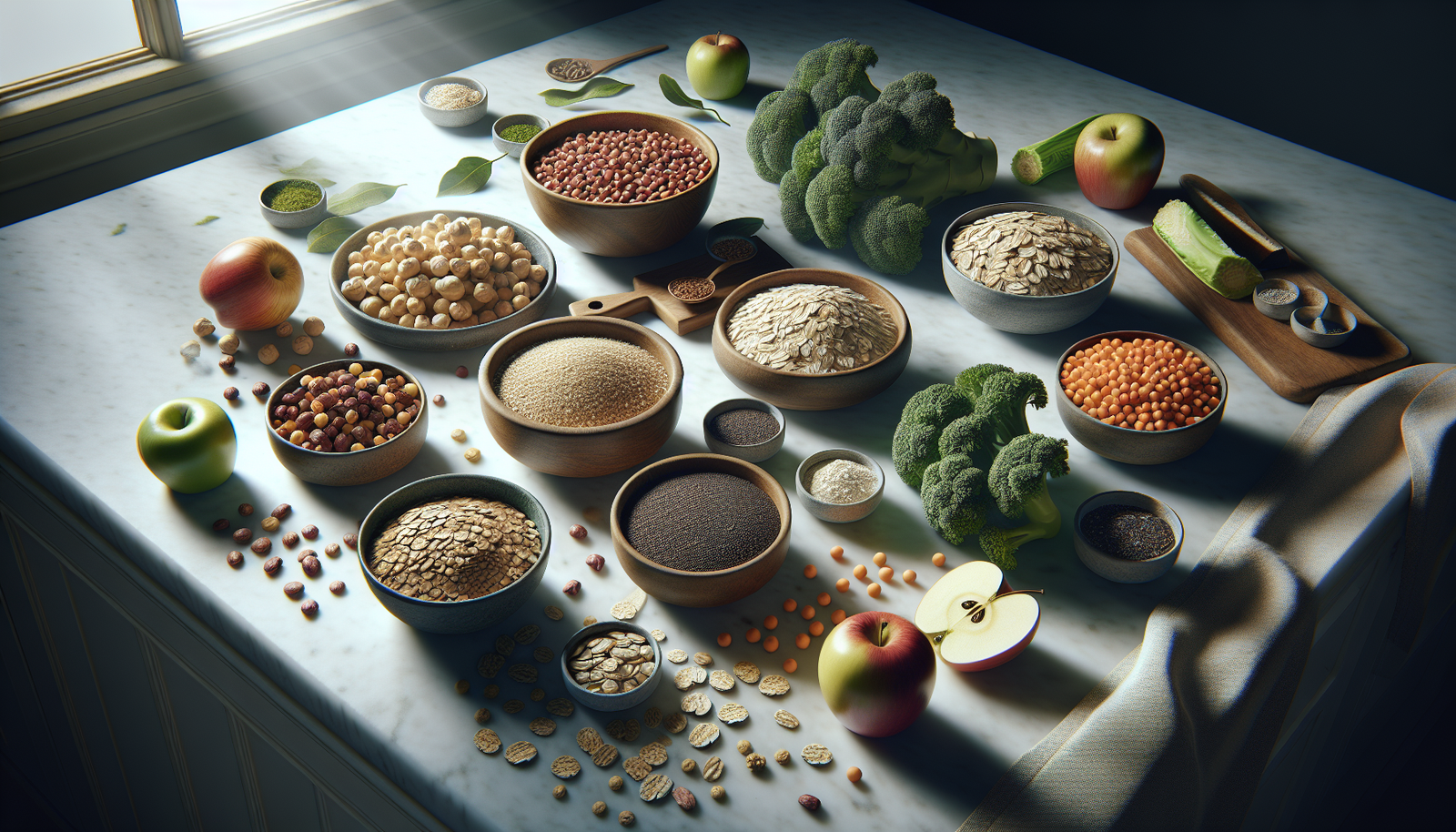
Americans are encouraged to begin fibermaxxing by consuming more fruits, vegetables, whole grains, legumes, and prebiotic sodas — preferably in that order, and ideally not all at once before a long car ride.
Globe News Daily editorial note: Globe News Daily’s editorial team has been fibermaxxing since Tuesday. We are fine. We are very, very fine and nothing unusual is happening at all.









Leave a Reply