


CAMBRIDGE, England — A groundbreaking new study published this week has concluded that Neanderthals — the stocky, large-brained cousins of modern humans who dominated Europe for hundreds of thousands of years — did not go extinct because of climate change, disease, or competition with Homo sapiens, as previously theorized, but rather because their professional networking skills were absolutely terrible.
Researchers at the Institute for Evolutionary Social Science at Cambridge found that the key difference between Neanderthals and Homo sapiens was not intelligence, tool use, or physical capability, but rather the ability to maintain flexible, resilient social networks — essentially, whether your ancestors were the type to stay in touch or the type who said they would and then simply didn’t.
“What we found was striking,” said lead researcher Dr. Harriet Fosswick, gesturing at a very complicated chart. “Homo sapiens formed large, dynamic networks. They kept in contact across distances. They knew people who knew people. Neanderthals, by contrast, appear to have been extremely regional. They had a tight friend group and they stuck to it. Very relatable, honestly. Also fatal.”

The study suggests that when environmental shocks hit — droughts, volcanic winters, particularly aggressive mammoths — Homo sapiens could call upon their broader network for resources and support, while Neanderthals were essentially limited to whoever lived within a comfortable walking distance. Scientists note that this is a pattern still observed today in people who decline all LinkedIn connection requests from people they don’t personally know.
Critically, the study found that Neanderthal social connections were “more fragile and regionally limited,” while Homo sapiens connections were “stronger and more flexible” — two phrases that also describe the difference between a person who responds to messages and a person who leaves them on read for three to six business weeks.

In unrelated but spiritually adjacent science news, NASA’s SPHEREx telescope has confirmed the presence of water ice across vast regions of the galaxy, meaning the one ingredient essential to life as we know it is essentially everywhere — except, apparently, in the social calendars of late Pleistocene hominids.
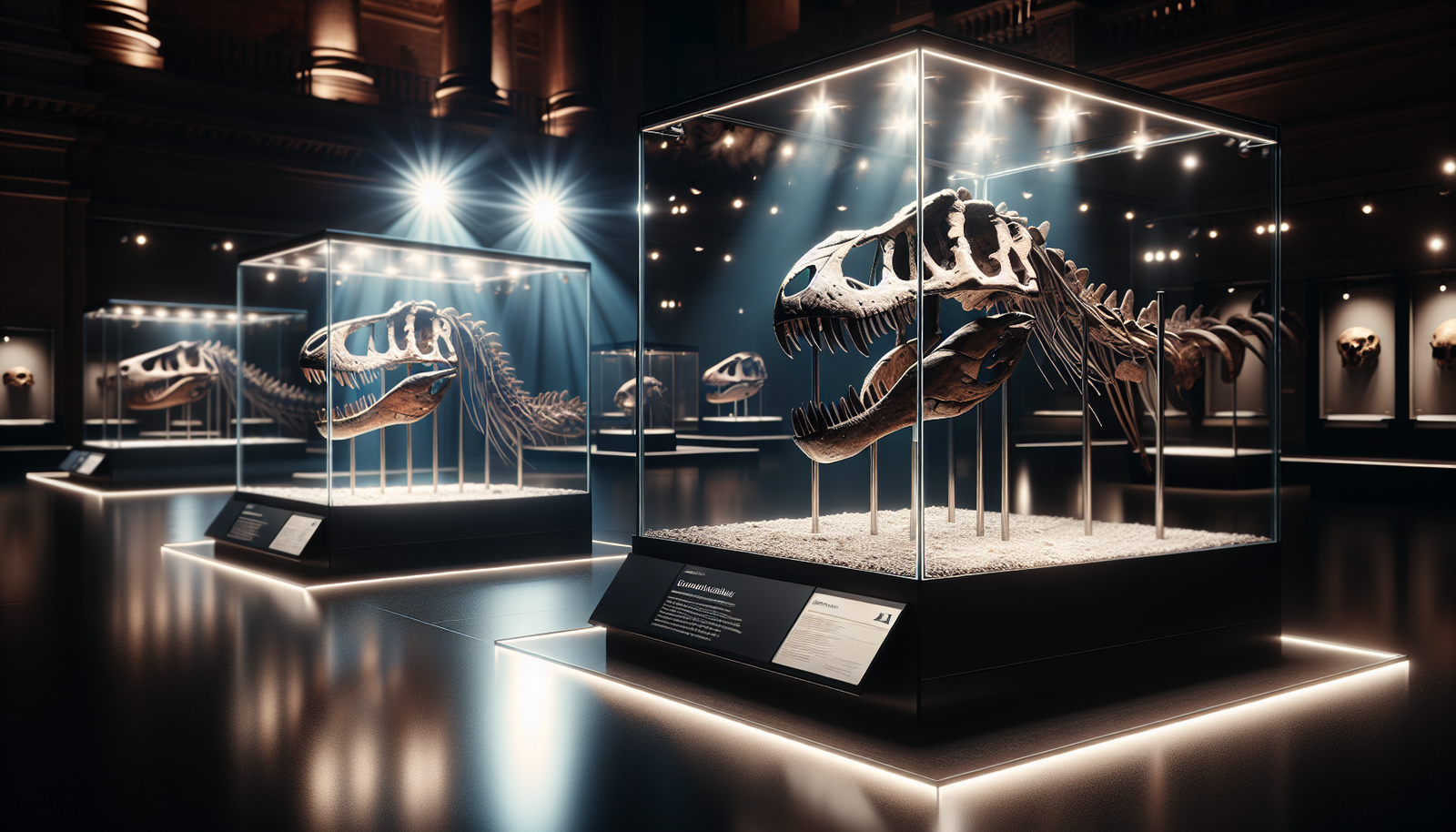
Additionally, scientists studying a fossilized T. rex nicknamed “Scotty” have discovered preserved ancient blood vessels inside its bones, which researchers say provides remarkable insight into dinosaur biology and also raises the somewhat unsettling question of what else is lurking inside fossils that we haven’t looked closely enough to see yet.

Back to the Neanderthals: the study’s authors note that their extinction was not inevitable. Given roughly 10,000 more years and access to a rudimentary group chat, things might have gone very differently. The researchers also note, carefully, that modern humans who maintain only small, regionally limited social circles are not technically at evolutionary risk — just professionally stagnant.
As of press time, approximately 40% of modern humans still have not responded to messages sent over two weeks ago, suggesting that evolution is an ongoing project and the jury remains out.
*Globe News Daily would like to clarify that we are not suggesting Neanderthals needed social media. We are suggesting they needed social media.*











Leave a Reply