


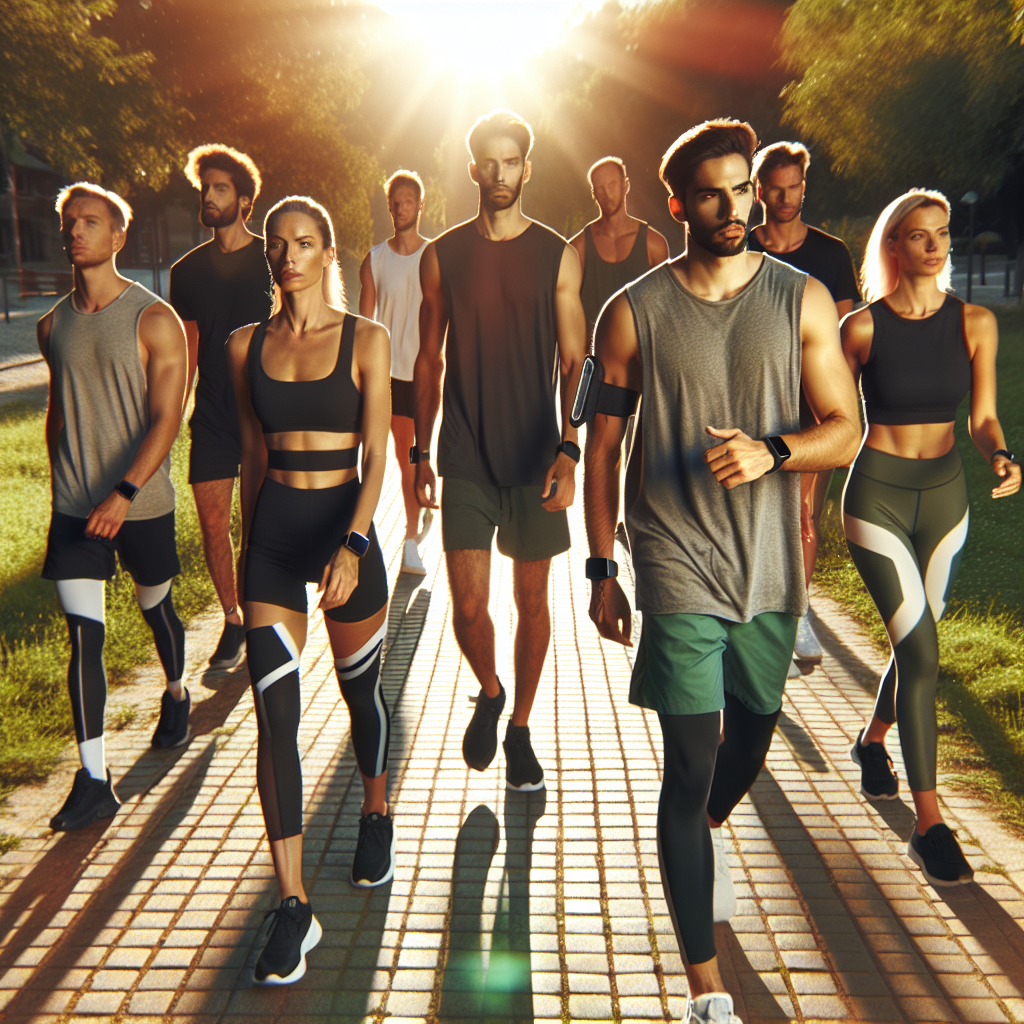
NEW YORK — The fitness industry was rocked to its very core this week by a revelation that experts are calling “genuinely the most popular thing we have ever said”: short, bite-sized exercise sessions — officially dubbed “snack-sized workouts” — are not only legitimate, they may be preferable to the long, sustained routines that everyone agreed were ideal but that approximately 4% of the population was actually doing.
The trend, among the top wellness developments of 2026, holds that brief bursts of activity spread throughout the day — a seven-minute walk here, twelve squats during a Zoom call there, aggressively reaching for something on a high shelf — can collectively add up to meaningful fitness gains. This is widely regarded as the best news ever delivered to a society that owns 340 million gym memberships and uses approximately 14 of them.
“What we’re seeing is a fundamental shift away from the ‘all or nothing’ mentality,” said certified personal trainer and wellness influencer Chad Deltoid, speaking from a gym containing 47 mirrors. “People are realizing that movement doesn’t have to be a two-hour commitment. You can do five minutes of squats, take a six-hour break, do three minutes of jumping jacks, and that is — statistically, technically — a workout.” He paused. “Results may vary.”
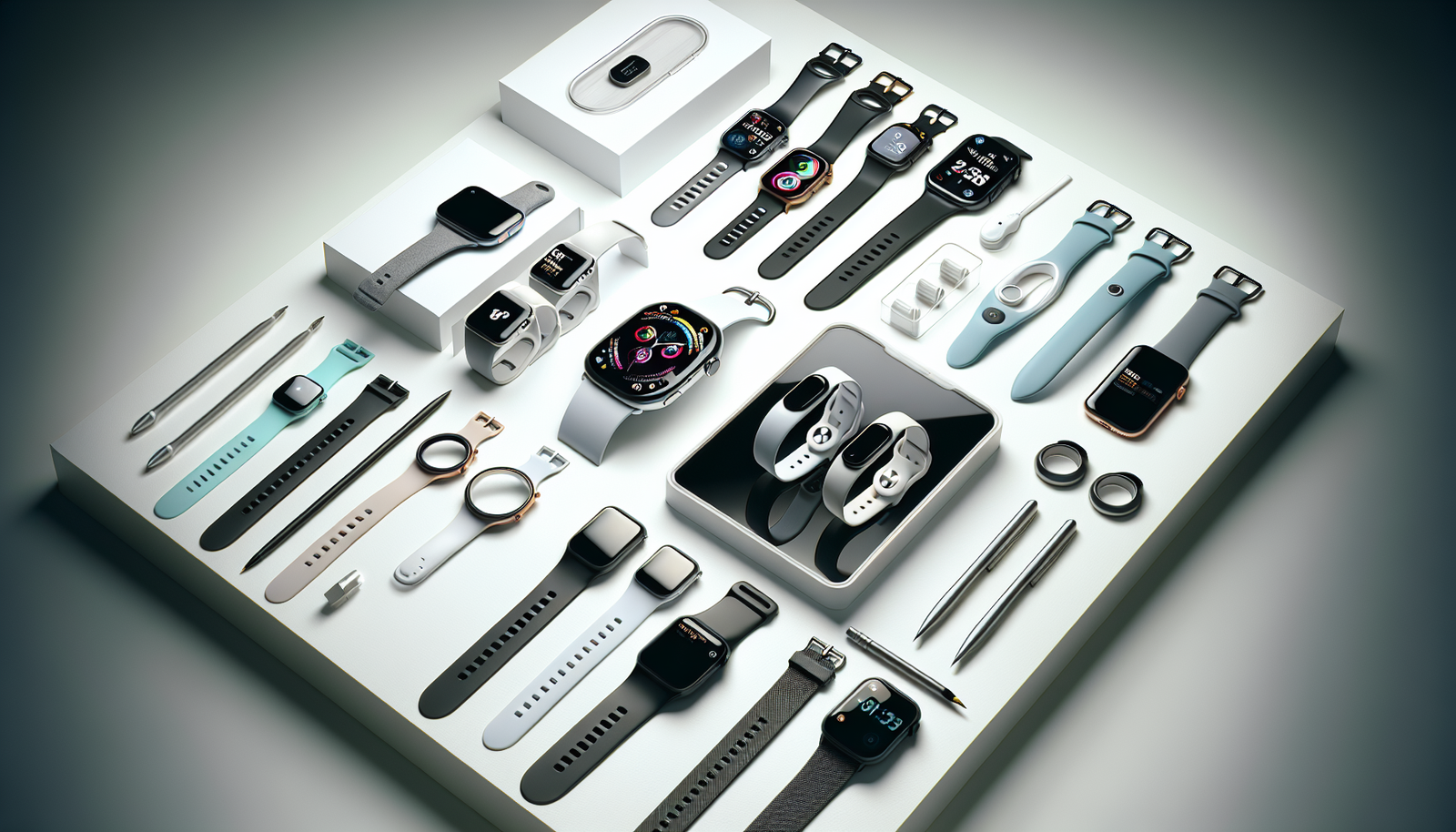
The “snack-sized workout” trend is part of a broader 2026 wellness landscape that includes nervous system regulation, wearable technology, recovery-focused fitness, and “longevity optimization” — a field dedicated to living as long as possible while spending so much on supplements that you cannot afford to enjoy the extra years.
Wearable technology has been named the number one fitness trend for 2026 by the American College of Sports Medicine, marking the twentieth consecutive year that wearable technology has topped the list — a run that experts say is now itself an athletic achievement deserving of its own medal. Americans currently own more fitness trackers per capita than any other nation, and more completely untouched fitness trackers per capita as well.

Also trending in 2026 is “cold plunge” recovery — the practice of submerging oneself in near-freezing water immediately after exercise, which advocates say reduces inflammation and builds mental resilience, and which critics describe as “just being cold on purpose, in a barrel.” Cold plunge facilities have opened in strip malls across America, nestled between nail salons and Subways, in what architects are calling “the wellness corridor.”
In an adjacent development, the Global Wellness Summit has announced that “nervous system regulation” is the wellness frontier for 2026, meaning that after years of being told to exercise more, eat better, sleep consistently, meditate, hydrate, and optimize their circadian rhythms, Americans are now also responsible for manually regulating their own nervous systems, possibly using an app that costs $19.99 per month.

Back to the snack-sized workouts: research is clear, according to researchers, who note that any movement is better than none, that consistency matters more than duration, and that if you have been taking the stairs instead of the elevator and feeling quietly virtuous about it, you are, technically, ahead of the curve.
Gym memberships remain at an all-time high. Gym attendance remains where it has always been. The gap between these two numbers is what the wellness industry calls “the market opportunity,” and what everyone else calls “January.”
*Globe News Daily wrote this article in multiple short bursts, taking breaks between paragraphs to stand up, look out the window, and briefly consider going for a walk. We are counting all of it.*











Leave a Reply