


The travel industry is grappling with a seismic shift in how younger tourists conceptualize vacation destinations, as the “destination dupe” trend — in which Gen Z travelers seek out cheaper, less-famous alternatives to iconic locations — continues to accelerate in 2026. What began as a frugal hack for budget-conscious travellers has evolved into something considerably more philosophical: a systematic interrogation of whether the experience of being somewhere matters more than where that somewhere technically is, and whether the Olive Garden in Hoboken is, in any meaningful way, different from dining in Rome, if you photograph it correctly.
The answer, travel experts confirm, is yes. The answer is very much yes. But Gen Z is not entirely wrong, and therein lies the tension that has upended a $1.9 trillion global travel industry.
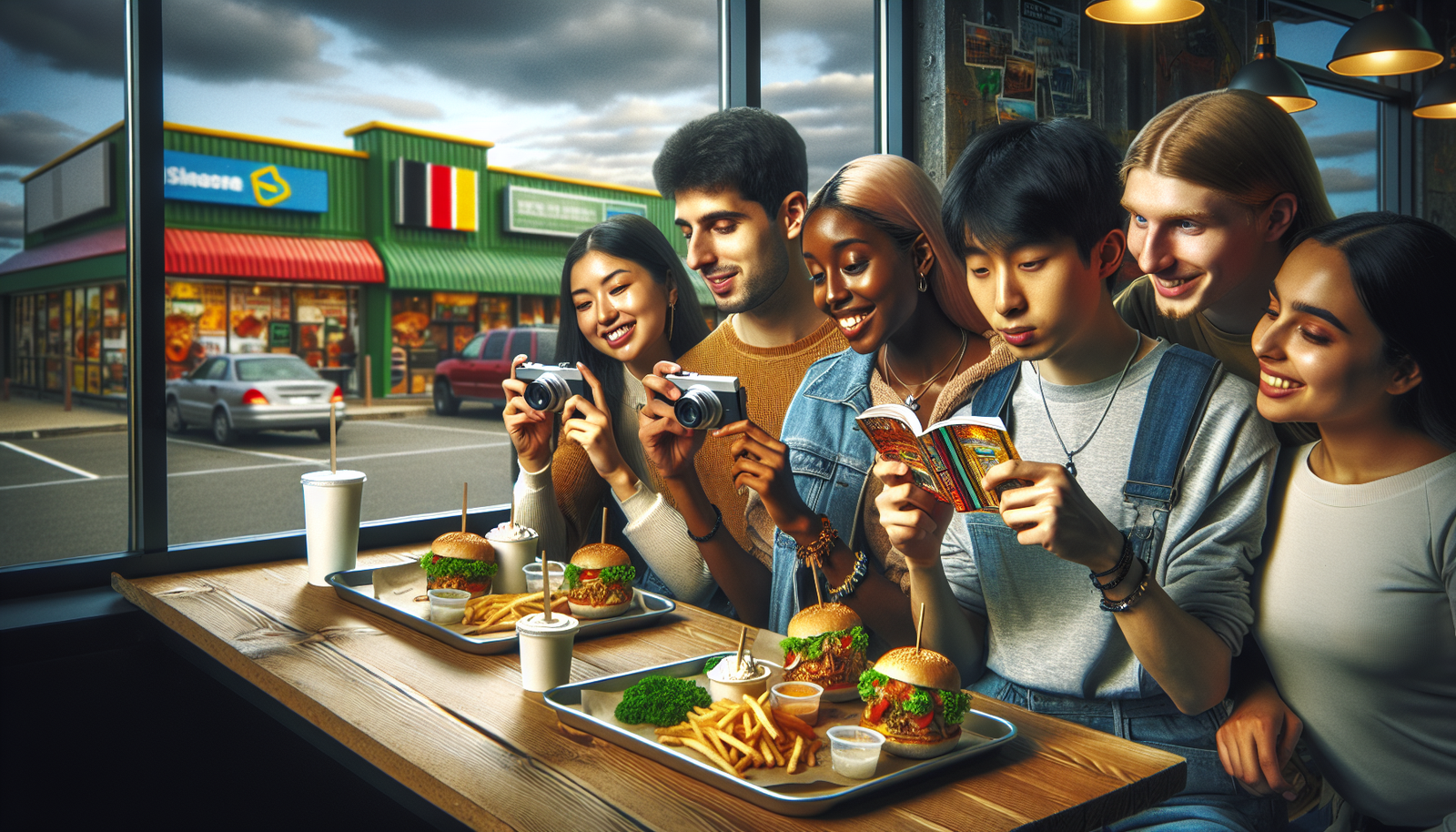
“I wanted to go to Santorini,” said Jade Morales, 23, a graphic designer from Austin who spent spring break in Amarillo, Texas instead, drawn by a TikTok video highlighting the city’s canyon landscapes as a “Santorini dupe.” “It’s not Santorini. I know it’s not Santorini. But I saved $2,800 and I got some genuinely great photos. The canyon was beautiful. There was also a Chili’s.” She paused. “The Chili’s was not the dupe part.”
The trend, which travel booking platforms say has influenced a measurable shift in domestic versus international reservations among the 18–28 age group, operates on a simple premise: most aspirational travel destinations are desirable for a combination of architecture, landscape, food, culture, and the prestige of having been there. Destination dupes accept that the last element — prestige — is the one that can be faked most convincingly with a camera angle and a good filter.
“The data is clear,” said Lena Hartwig, chief trend officer at a major travel booking platform. “Gen Z is not abandoning travel. They’re redefining the value equation. They are asking: what am I actually buying when I book a flight to Prague? And when they break it down — the architecture, the food, the atmosphere — they are finding that several mid-sized American cities and a surprisingly large number of New Jersey towns can satisfy a meaningful percentage of those criteria at roughly a fifth of the cost.”
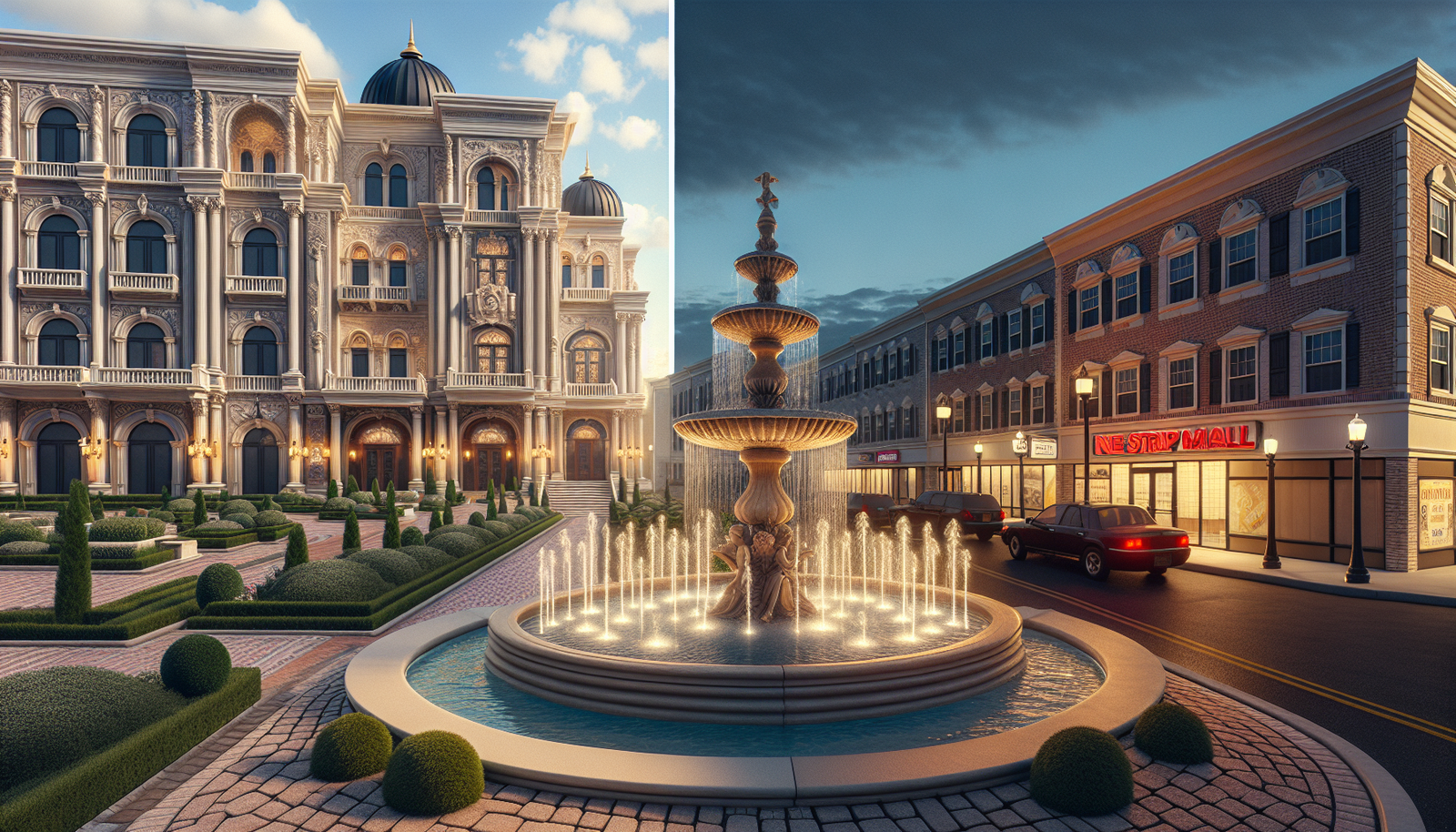
The trend has not been universally celebrated. Tourism boards for iconic destinations have responded with a mix of dignity and mild panic. The French tourism authority released a statement this week reminding travelers that “Paris is Paris” — a sentence that, while technically accurate, may not be doing the heavy lifting they intended. Several European cities have launched marketing campaigns emphasizing the elements that cannot be replicated: specific historical context, local cuisine, linguistic texture, the particular smell of certain train stations that no American city has successfully reproduced.
“There are things you simply cannot dupe,” said Marco Delforte, director of tourism promotion for a major Mediterranean city. “You cannot dupe seven thousand years of continuous human habitation. You cannot dupe the light. You cannot dupe the sense of standing somewhere that has genuinely witnessed history.” He considered this. “You can, apparently, dupe the narrow cobblestone streets. Pittsburgh has done this rather well. We find it somewhat unsettling.”
“I’ve been to the actual Amalfi Coast and I’ve been to the dupe my friend recommended in rural Virginia,” said travel writer and blogger Cassie Yuen, 29. “The Amalfi Coast is indescribably beautiful and changed my understanding of what landscapes can look like. The Virginia version had a very nice view and a bed and breakfast run by a woman named Deborah who made exceptional scones.” She thought for a moment. “Deborah’s scones were not a dupe of anything. They were original. That counts for something.”

For the travel industry broadly, the destination dupe trend presents a genuine strategic challenge. Airlines, international hotel chains, and tour operators whose business models depend on aspirational international travel are watching the data carefully, and several major carriers have quietly begun investing in domestic route expansion to serve a generation that may, at least for the next several years, prefer a credible canyon to an expensive flight.
For Jade Morales, who is already planning her next dupe trip — a Patagonia-inspired camping excursion in western Montana — the calculus is simple: “I want to see the world. I also want to eat this year. These goals are in tension. Dupes are how I manage the tension.” She scrolled through her Amarillo canyon photos. “These are genuinely good. I stand behind these.”
Globe News Daily editorial note: Our travel desk has identified several destination dupes of its own office, including a surprisingly atmospheric parking garage in Cleveland that, in the right light, resembles a mid-century Roman arcade. We are calling it “the Garage of the Caesars” and are not taking questions about this at this time.













Leave a Reply