
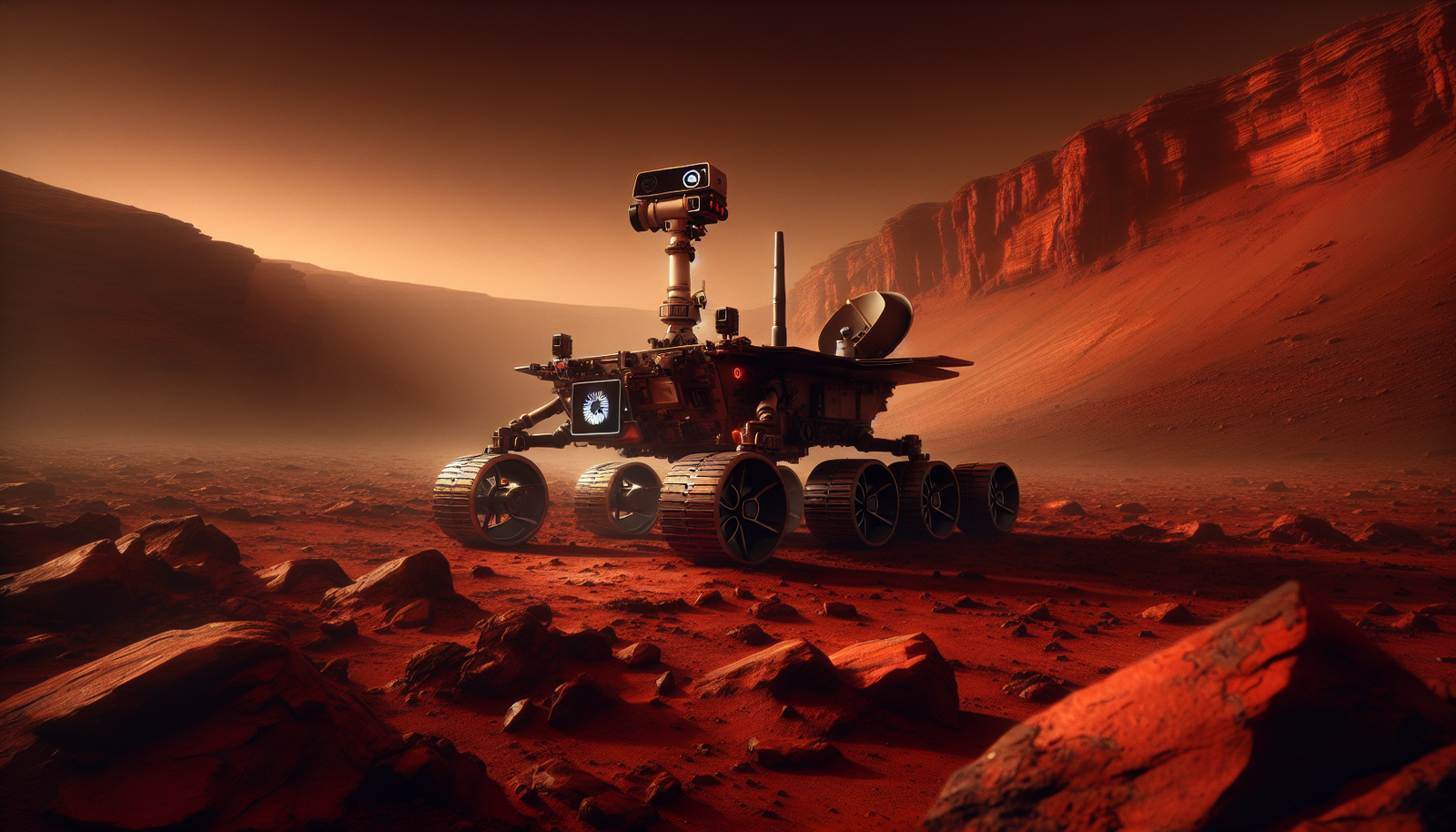
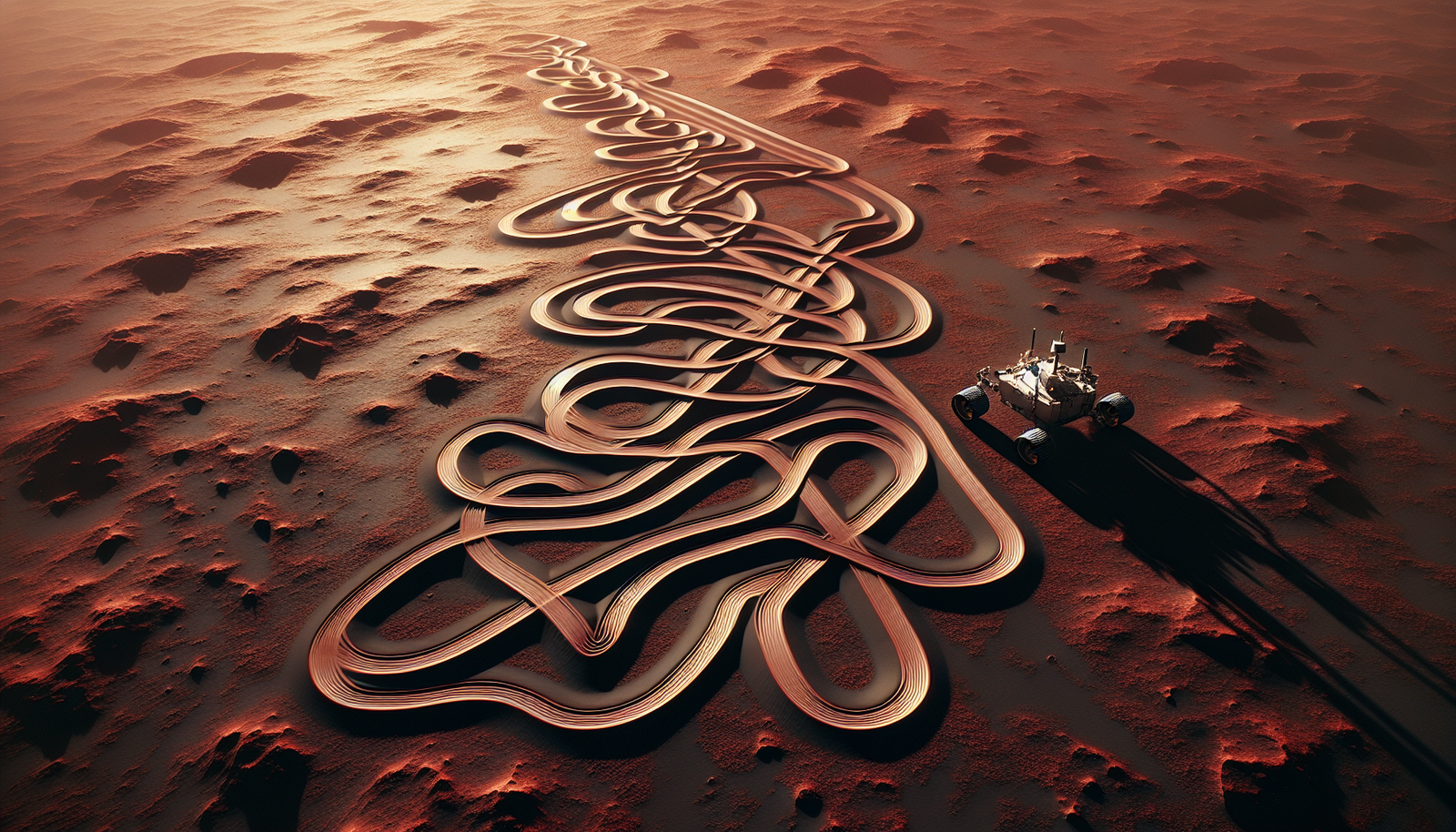
PASADENA, CA — NASA’s Perseverance rover has completed its first two Mars drives ever planned entirely by artificial intelligence, covering a total of 456 meters across the Martian surface — though sources close to the mission confirm the AI also spent an indeterminate amount of time suggesting alternative routes, asking clarifying questions about the mission objectives, and “just double-checking” that the scientists were sure they wanted to go that way.
The historic milestone, which NASA engineers are calling “a landmark in autonomous planetary exploration,” uses advanced vision-language models to analyze orbital imagery and generate safe waypoints without direct human input. Mission scientists are calling it “genuinely impressive.” The AI, sources say, is calling the terrain “a bit ambiguous, if we’re being honest.”
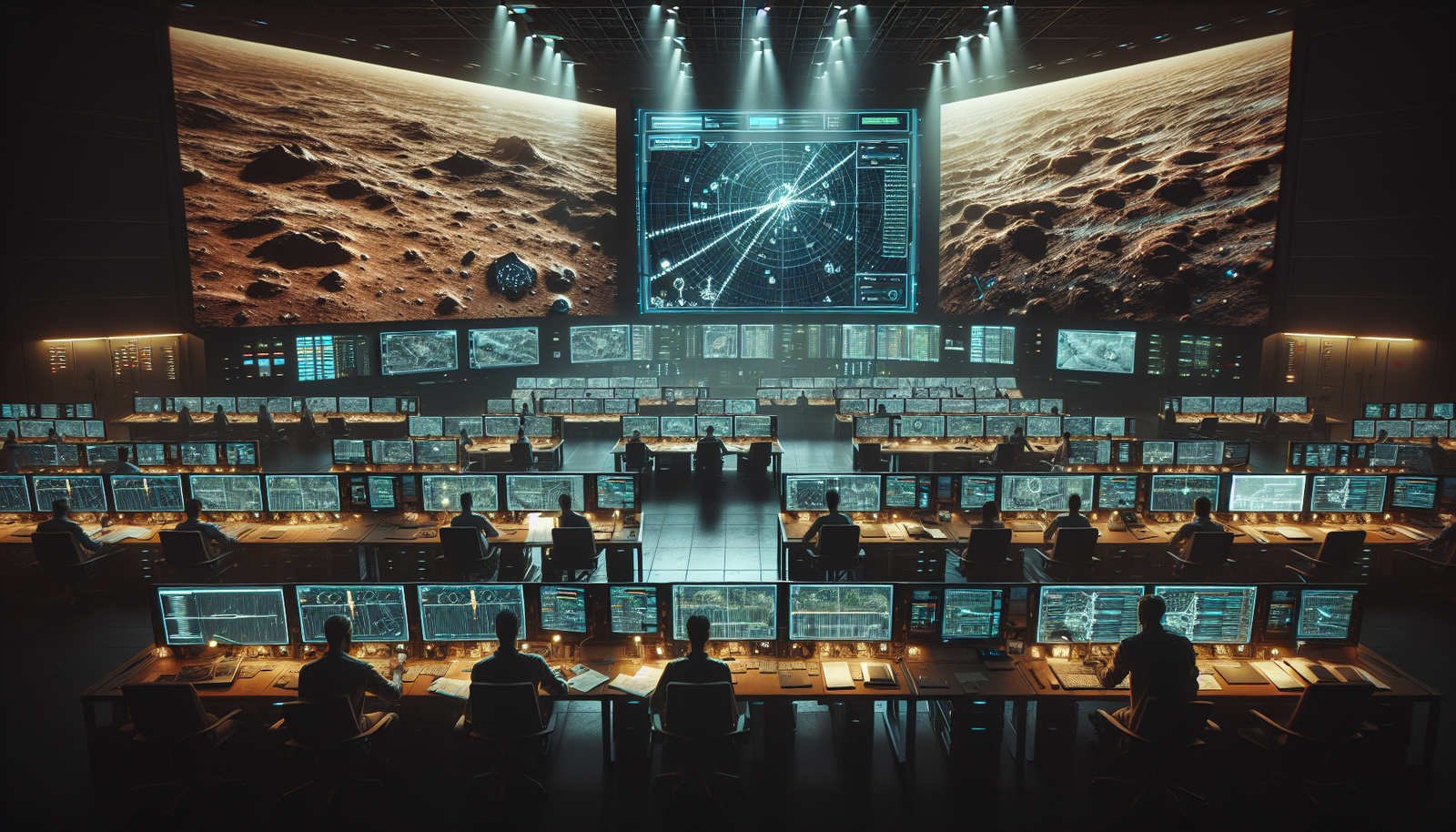
“The system performed extremely well,” said Dr. Priya Nambiar, lead navigation scientist on the project, at a press briefing Tuesday. “It analyzed the landscape, identified safe paths, and executed both drives with zero incidents.” She paused. “It did ask us three times whether we had considered going left instead. We had not. We went right. The AI accepted this.”
According to internal mission logs reviewed by Globe News Daily under a Freedom of Imagination Act request, the AI navigation system also flagged seventeen rocks as “potentially interesting from a geological standpoint, though I want to be clear I’m not a geologist,” recommended a rest stop at coordinates that turned out to be the top of a small crater, and at one point suggested the team “take a moment to appreciate the view” before proceeding.
“It’s like having a very capable co-pilot who also has opinions,” said mission systems engineer Todd Berkowitz, 41, who has now started bringing headphones to work. “It’s great. It’s genuinely great. I’m not being sarcastic. Please print that I’m not being sarcastic.”
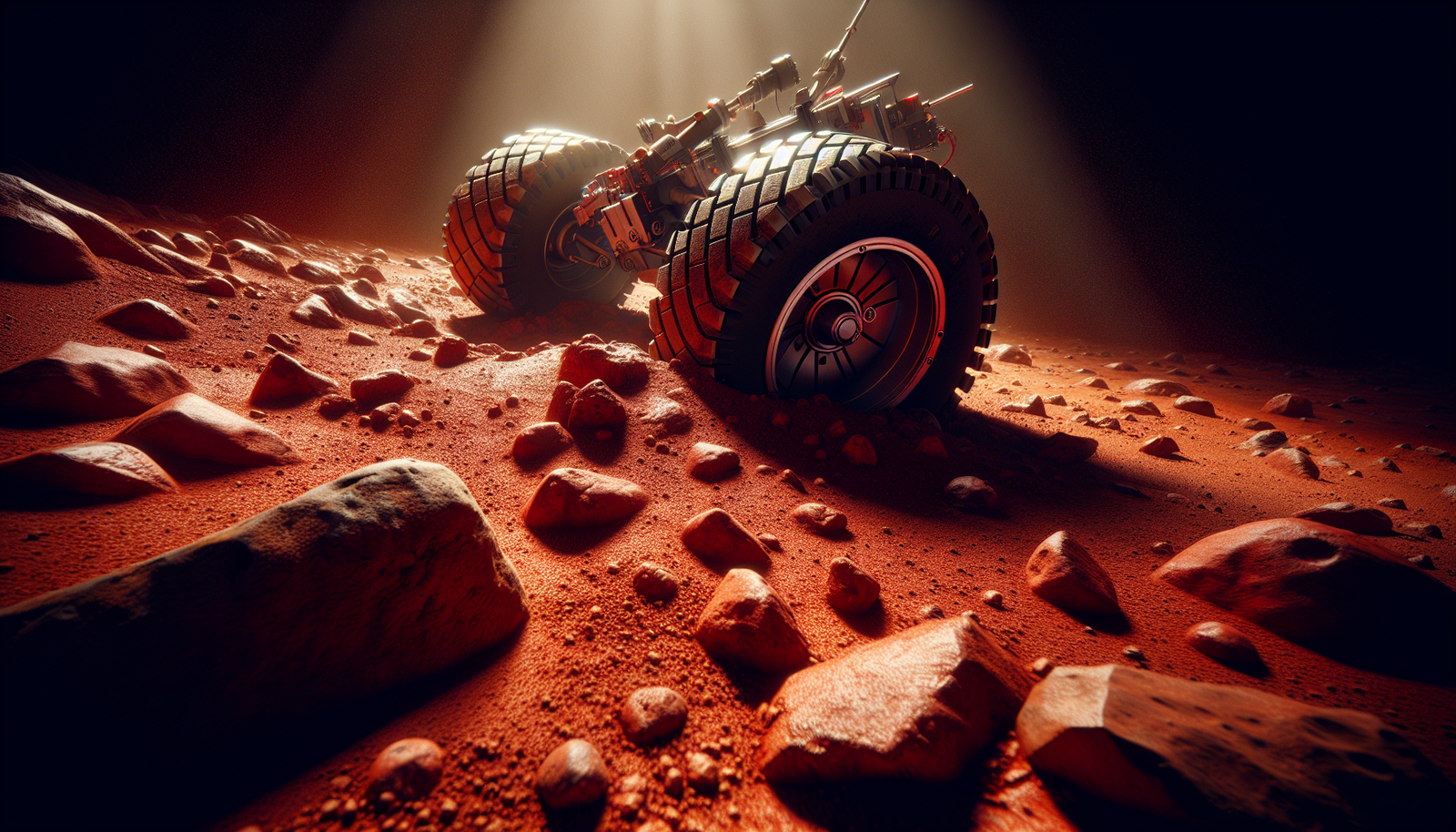
The AI system, which processes high-resolution orbital imagery to identify hazards such as rocks, slopes, and “areas that just feel a bit off,” completed the two drives covering a combined 456 meters — a distance that, on Earth, would take a moderately motivated adult approximately four minutes to walk. On Mars, with current technology, it takes several days, extensive planning, and now, apparently, a conversational AI that prefers to think things through.
The development has thrilled researchers in the field of autonomous robotics, who note that removing humans from the planning loop allows for faster, more efficient operations — though several engineers acknowledged that “faster” is relative when the AI wants to re-examine its assumptions.
“This is the future of space exploration,” said Dr. Amara Osei, robotics professor at MIT, who was not involved in the mission. “Eventually, we will send AI to places humans cannot go, and those AIs will do extraordinary things. They will also, I suspect, occasionally ask if we’ve thought about what we’re really trying to accomplish out there. Which is actually a fair question.”
NASA confirmed that the AI navigation system will continue to be used for future drives, and that the team has established a formal protocol for when the AI flags a philosophical concern about the route — specifically, a shared document titled “We Hear You, But We’re Going Right.”
Perseverance, which landed on Mars in February 2021, has now driven over 30 kilometers total across the Martian surface. The rover did not respond to requests for comment, though telemetry data indicates it has been sitting quietly and, according to one engineer’s interpretation, “seems fine.”
Globe News Daily editorial note: Our science desk confirms that 456 meters is, by any measure, a meaningful achievement when the nearest mechanic is 140 million miles away. We have also asked our own AI systems for their opinion on this story. They said the piece was “good, though perhaps consider a stronger concluding paragraph.” We are choosing to ignore this feedback on principle.









Leave a Reply