


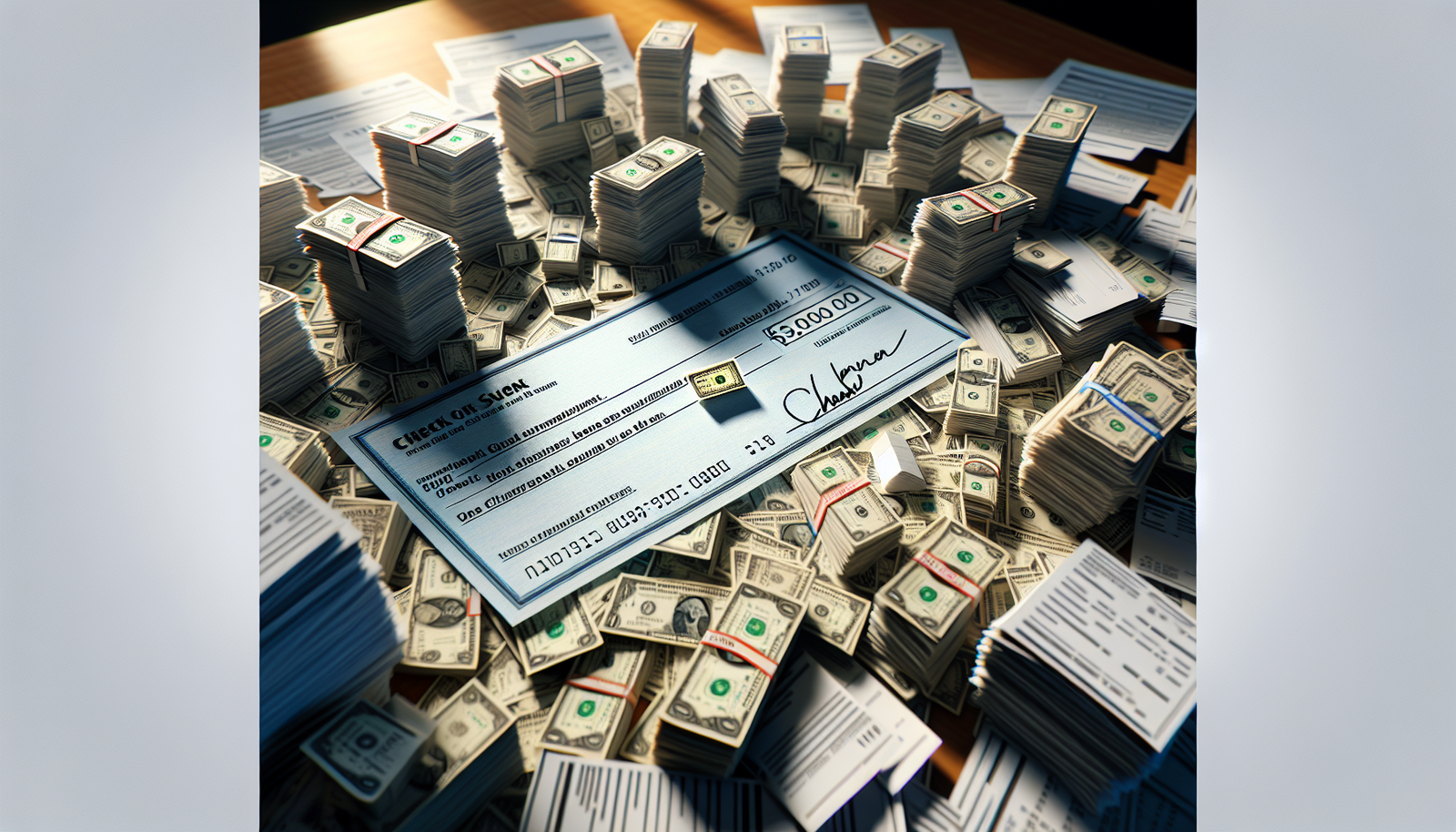
WASHINGTON, D.C. — The federal government this week officially launched its long-awaited process for businesses to apply for refunds on tariffs paid before those tariffs were ruled unconstitutional — and in what officials are calling “a streamlined, user-friendly system,” applicants will only need to complete a 47-page primary application, six supporting annexes, three notarized affidavits, a certified copy of their business registration, proof of tariff payment in triplicate, a letter from their accountant, a letter from their accountant’s accountant, and documentary evidence that they were, in fact, alive and operating a business during the relevant period.
“We’ve really simplified this,” said Deputy Commerce Secretary Martin Albrecht at a press conference Tuesday, gesturing toward a display stand holding what appeared to be a ream and a half of paper. “The original draft had eleven annexes. We got it down to six. That’s a significant reduction. We’re proud of that.”

The refund program applies to tariffs collected on imported goods between March 2024 and February 2026, during which time businesses paid an estimated combined total of $340 billion in duties that courts subsequently determined had been imposed without proper legislative authority. Eligible businesses are encouraged to apply as soon as possible, with officials noting that refund processing is expected to take between eighteen and thirty-six months, “depending on volume and the legibility of submitted handwriting.”
“We submitted our paperwork this morning,” said Kevin Cho, owner of a mid-sized electronics distributor in Columbus, Ohio, who paid approximately $2.3 million in now-unconstitutional tariffs. “We also submitted a prayer. The prayer felt more likely to move quickly through the system.”
Among the more eyebrow-raising requirements in the application packet is Section 14(c), which asks applicants to provide “a detailed narrative account of business operations during each quarter of the tariff period, not to exceed 2,000 words per quarter,” and Section 31, which requests proof of the applicant’s physical address in the form of “a utility bill, bank statement, or sworn declaration from a neighbor who has seen you.”
Small business advocates have raised concerns that the complexity of the process will effectively deny refunds to the businesses that need them most — namely, smaller operators who cannot afford the legal and accounting fees required to compile a compliant application.
“The big companies will hire teams of lawyers and get their money back,” said Renata Flores, director of the National Small Business Coalition, at a separate press briefing held in a considerably smaller room. “The small businesses that actually struggled under these tariffs will look at the application packet, put it in a drawer, and go home. The drawer is where small business money goes to die.”
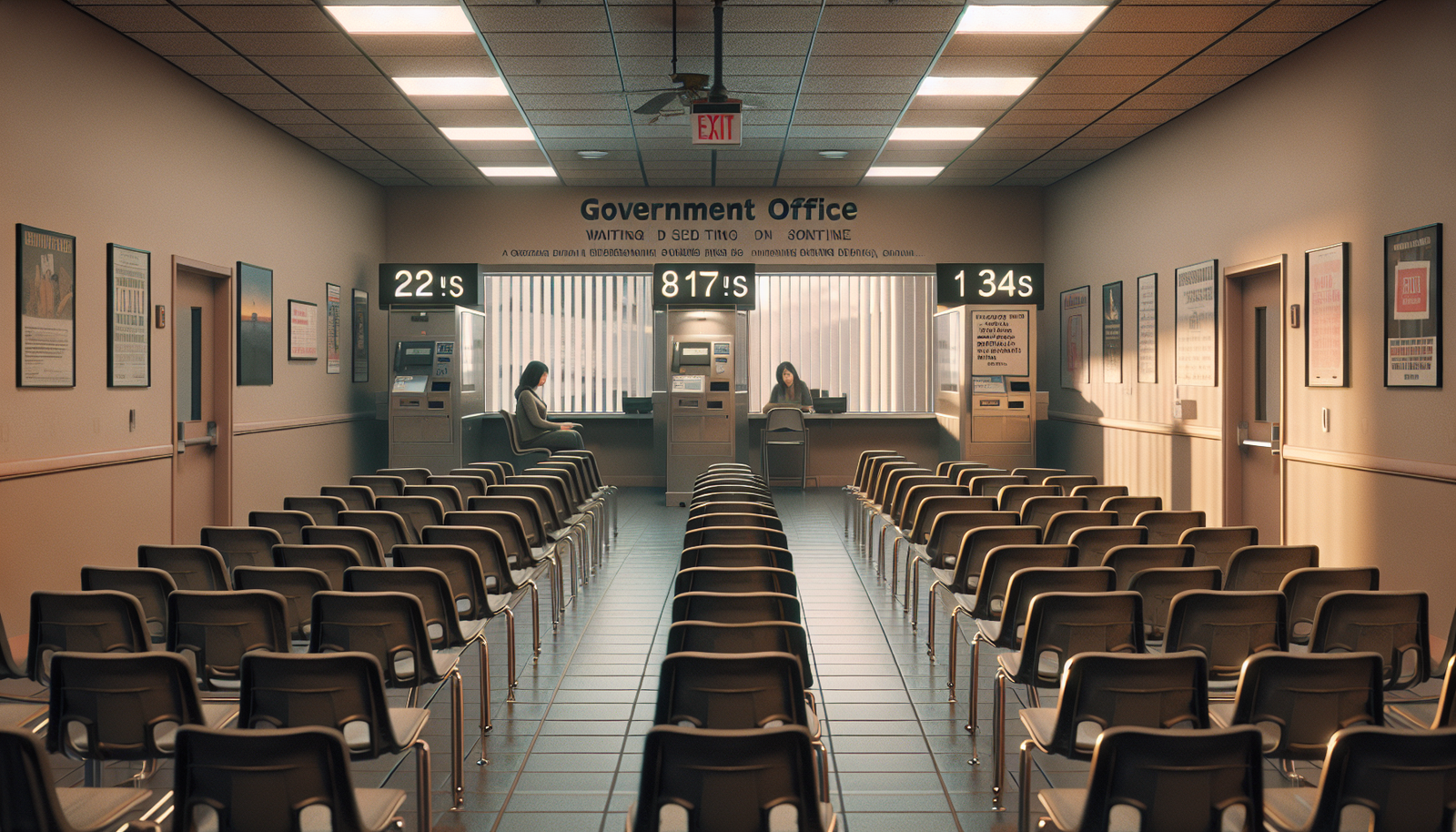
Officials countered that the government has set up a dedicated hotline — available Monday through Thursday, 9 a.m. to 3 p.m. Eastern, excluding federal holidays and “any Tuesday when the system is updating” — where applicants can ask questions. As of Tuesday afternoon, the hold time was listed at approximately four hours and eleven minutes.
The government has also released an online portal for submitting applications digitally, which several early testers described as “functional,” “eventually,” and “fine, if you already know what you’re doing.”
When asked how much of the $340 billion in collected tariffs the government expects to ultimately refund, Deputy Secretary Albrecht said the figure would “depend on the number of successful applicants” and that it was “too early to speculate.” He then thanked everyone for coming and left through a side door before follow-up questions could be posed.
Globe News Daily editorial note: Our business desk has confirmed that Section 31’s “sworn declaration from a neighbor” requirement is real and that our economics correspondent has already asked her neighbor Gary to stand by. Gary has agreed but wants to know if he needs a tie. We told him yes. This is a formal process.















Leave a Reply