

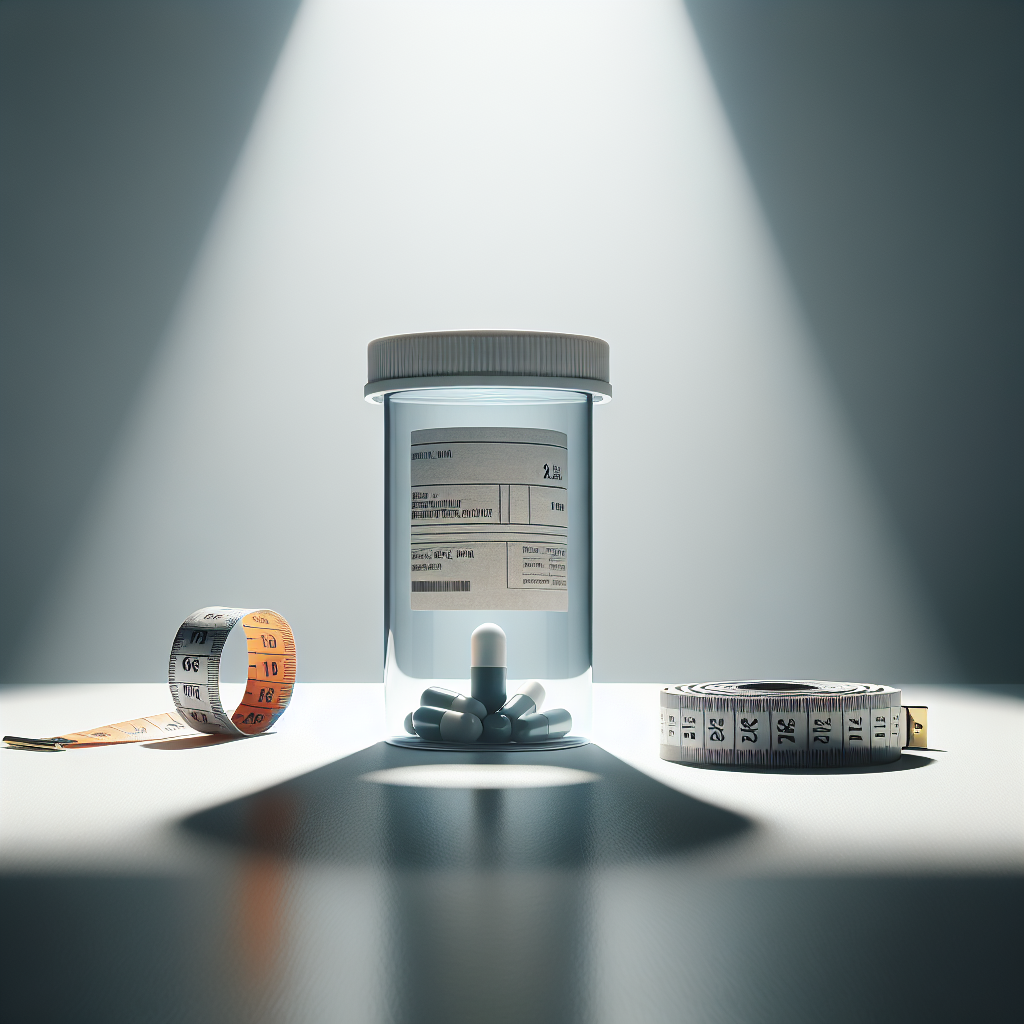
INDIANAPOLIS — In what pharmaceutical industry observers are struggling to characterize as either a slow start or an excellent start, Eli Lilly’s newly launched oral obesity medication was prescribed approximately 1,390 times in the United States in its first week on the market — a number that Eli Lilly described as “promising,” analysts described as “early stage,” and statisticians noted represents roughly 0.0004% of the eligible population, which they described with the word “hm.”
The pill, which works by targeting the same physiological pathways as the enormously popular injectable GLP-1 medications that have reshaped the nation’s relationship with appetite, waistlines, and the phrase “have you lost weight?”, is Eli Lilly’s attempt to capture patients who prefer taking a pill over receiving an injection — a group that, in surveys, represents the vast majority of humans who have ever been asked the question.
“We are very encouraged by the initial uptake,” said an Eli Lilly spokesperson who sounded, to reporters’ ears, approximately 40% encouraged. “New product launches of this nature typically see gradual adoption as physicians familiarize themselves with prescribing criteria and patients discuss options with their healthcare providers.” The spokesperson then noted that 1,390 is, in fact, greater than zero, which is technically true.
“I think the number will grow significantly,” said pharmaceutical analyst Dr. Renata Solberg, who covers the obesity drug market and has stopped attending dinner parties because the conversation always turns to GLP-1 medications. “Once insurers finalize coverage policies, once doctors get more comfortable with the prescribing guidelines, once patients realize there is a pill — the adoption curve will look very different.” She paused. “There is a pill, by the way. In case anyone was wondering. It exists.”
The pill’s launch comes amid a broader revolution in metabolic health, with GLP-1 drugs — including Eli Lilly’s injectable Mounjaro and Zepbound — transforming how medicine treats obesity and reshaping food culture at large. Nutrient-dense, convenient, small-portioned foods are surging in popularity among users whose appetite has been pharmaceutically recalibrated. The snack food industry has responded by quietly reformulating products into smaller packages at the same price, which is a response of a different kind entirely.
Nutritionists have welcomed the trend with cautious optimism. Several dietary supplement companies have responded with alarm. One granola bar brand issued a press release with no content and the title “We Are Monitoring The Situation.” Investors rewarded this transparency.
“I asked my doctor about the pill on Tuesday,” said Carlotta Bemis, 47, a logistics coordinator from Phoenix. “She said she’d heard of it. That felt like progress. I have a follow-up appointment in three weeks. We’re taking this one step at a time, and by ‘we’ I mean ‘her schedule permitting.'”
Eli Lilly shares rose 2% on the prescription data news — a solid performance for an announcement that was essentially “some people have heard of our pill.”
The FDA, for its part, confirmed the drug is approved, exists, and may be prescribed. The agency added that it would not be making further comment at this time, which is its standard position on most things.
Globe News Daily editorial note: We asked our staff if anyone had been prescribed this pill. One person said yes. We are not going to say who. We are simply proud of them.









Leave a Reply